Which materials and finishes are available for custom cabinets?
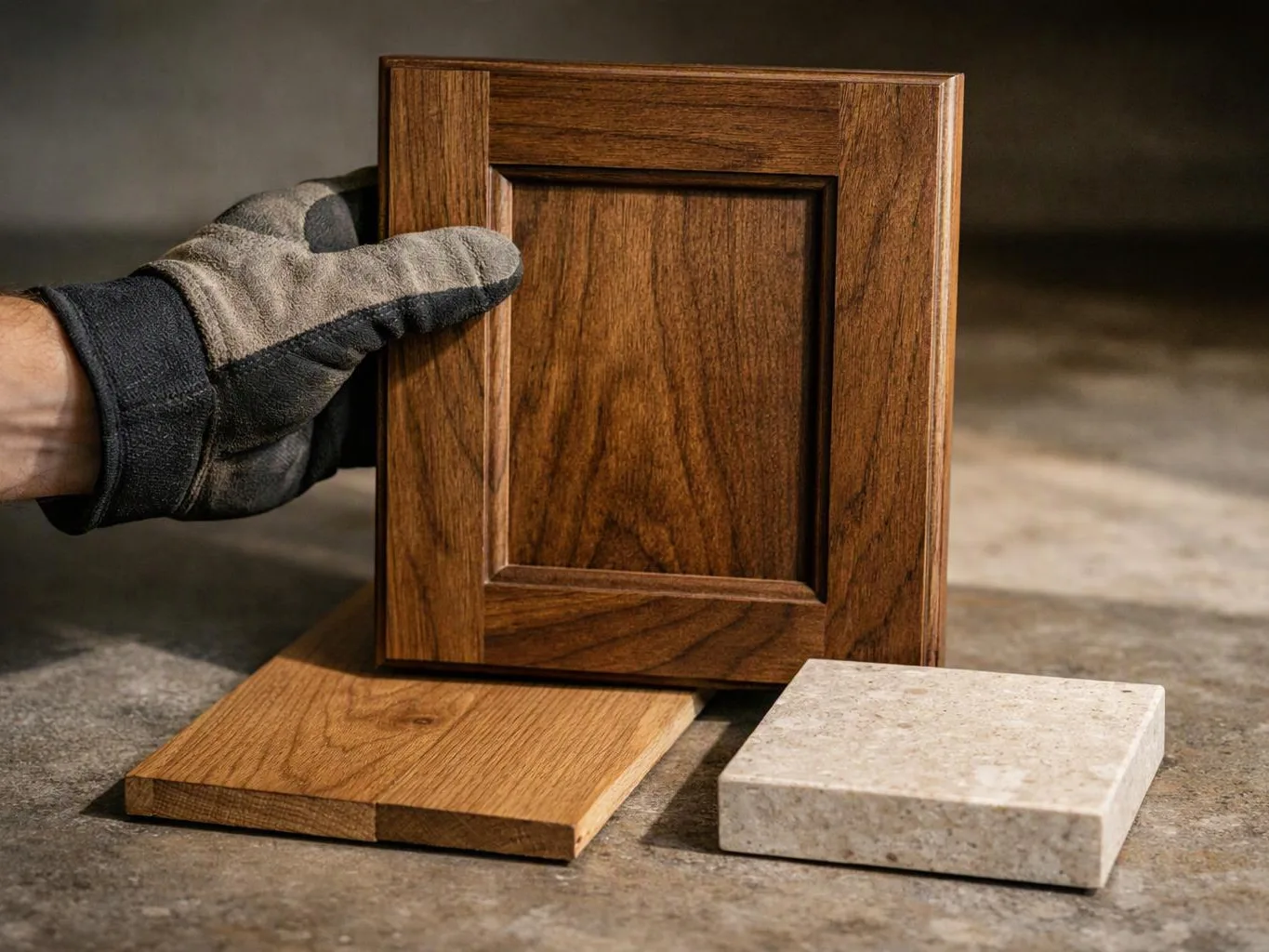
Plywood boxes, hardwood doors, wood veneer, painted finishes, and stained finishes are available options. Each choice changes the cabinet look, surface care, and relationship between the box and the door. We review the room, wear needs, cleaning habits, and design direction before setting the material package. HomeRemodelSammamish.link includes those choices in the cabinet scope and quote.
How do I choose between painted and stained cabinet doors?
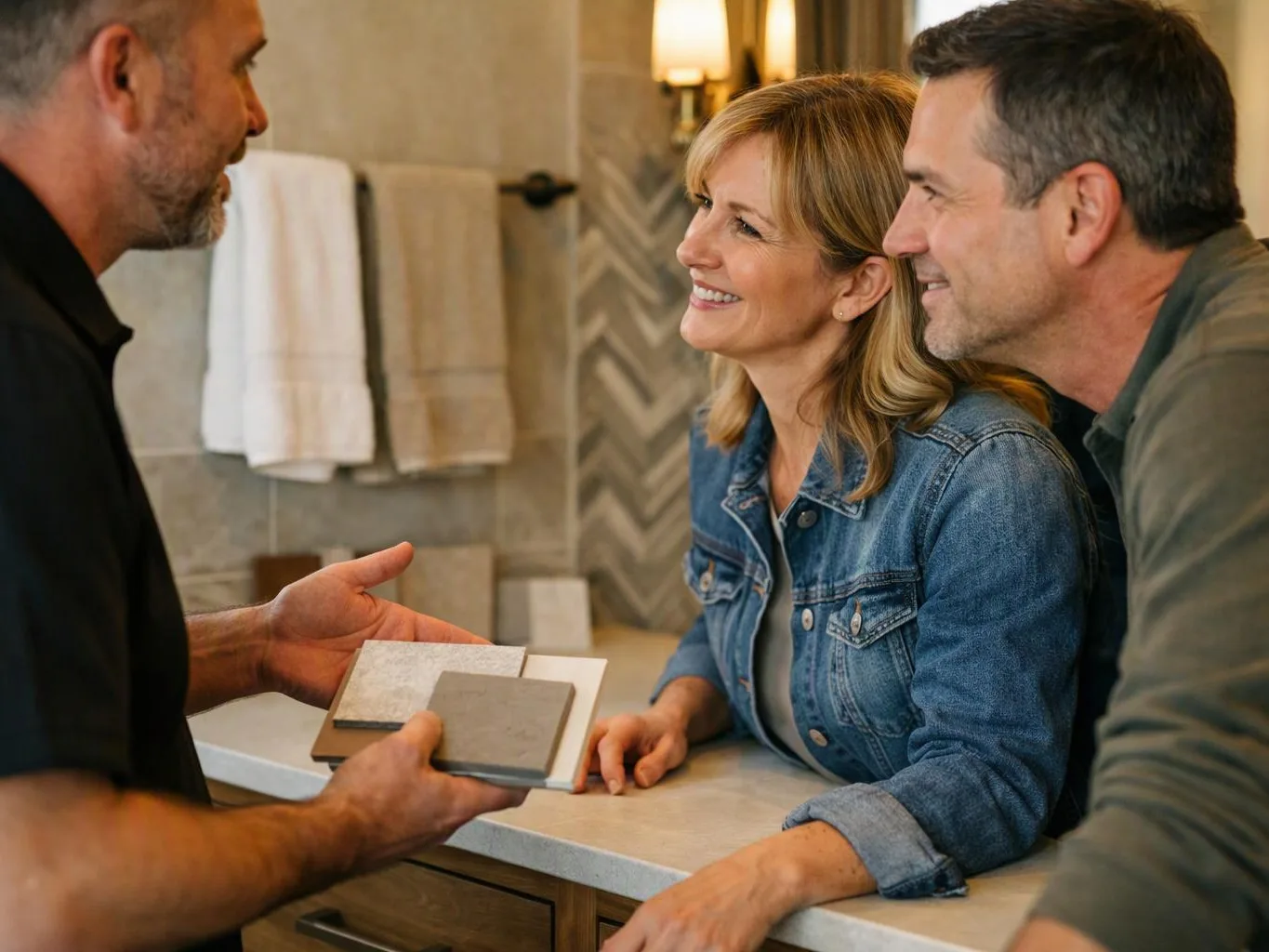
Painted doors suit a solid color plan, while stained doors keep visible wood grain. The choice depends on the desired look, the selected door material, and how the cabinets relate to flooring, counters, and trim. We show how each finish works within the wider room plan before the cabinet scope is set.
What makes plywood boxes useful for a cabinet project?
Plywood boxes provide a stable cabinet body for shelves, drawers, doors, and hardware. The box choice should match the cabinet layout and the way the room is used. We review cabinet size, nearby plumbing, appliance placement, and finish goals before pairing the box with door and surface selections.
How does wood veneer differ from hardwood doors?
Wood veneer uses a thin layer of real wood over a stable surface, while hardwood doors use solid wood for the door face. Both can create a natural wood look, but their grain, feel, and finish direction differ. We compare them with the cabinet box, room design, cleaning needs, and selected stain before preparing the quote.
What part of the room changes the cabinet quote?
The cabinet layout, material package, finish, hardware, and connected remodeling work shape the quote. Wall length, corners, appliance openings, plumbing, and electrical features also affect the cabinet plan. We measure and define those details before giving a project quote. Free estimates are available for the planned work.
What should I prepare before discussing cabinet work for Custom Cabinetry?
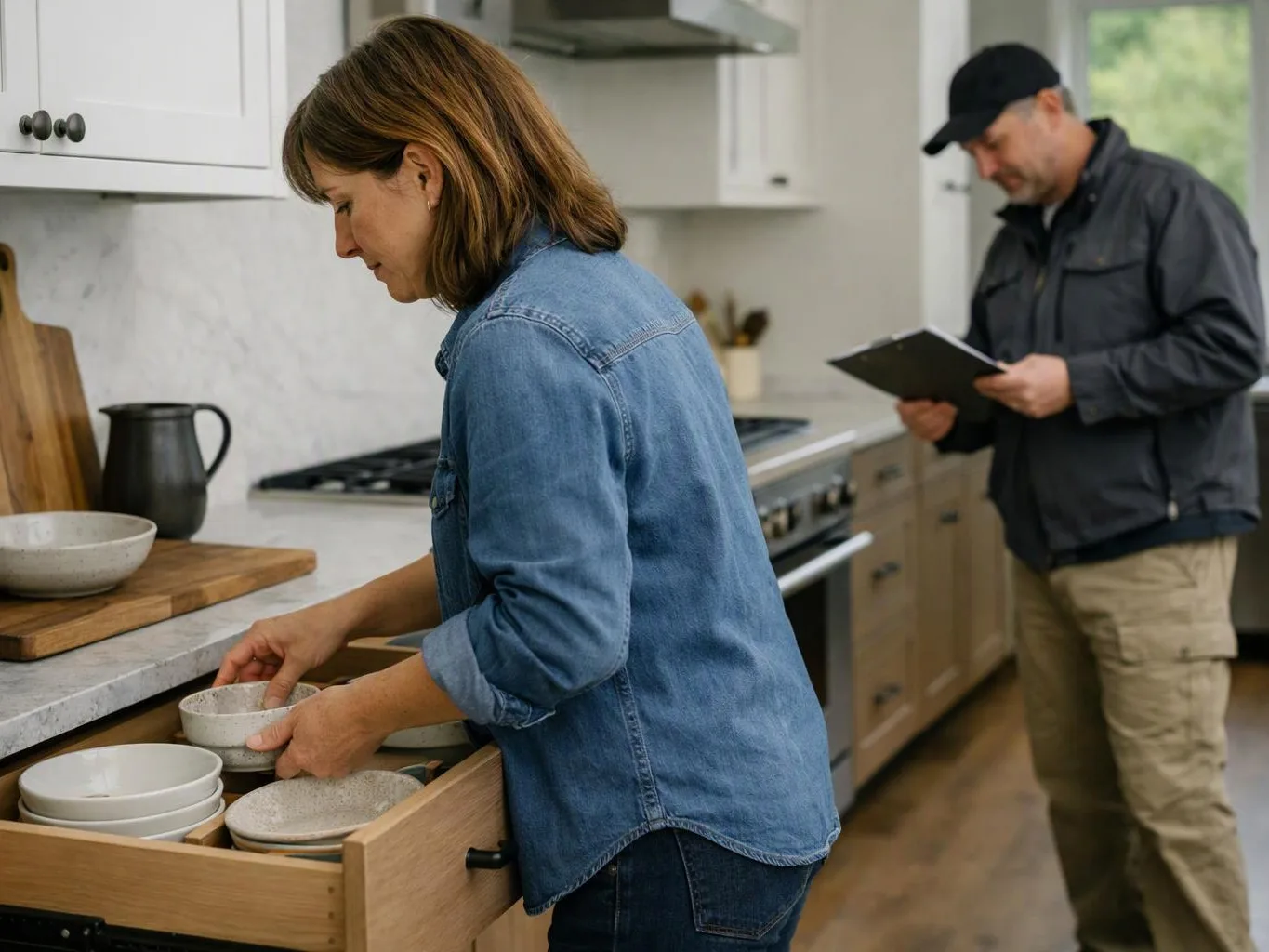
Room measurements, photos, appliance details, storage goals, and finish ideas make the first discussion more useful. A simple list of what works and what does not work in the current cabinets also helps. We use that information to review the layout, identify connected work, and outline the next cabinet decisions.