Basement Remodeling Mistakes to Avoid When There Are Leaks or Dampness
Basement remodeling mistakes with moisture problems usually start when finishing begins before leaks, drainage, and damp materials are addressed. HomeRemodelSammamish.link checks the moisture source, repairs affected areas, and plans basement remodeling around a dry, sound space.
Request an Estimate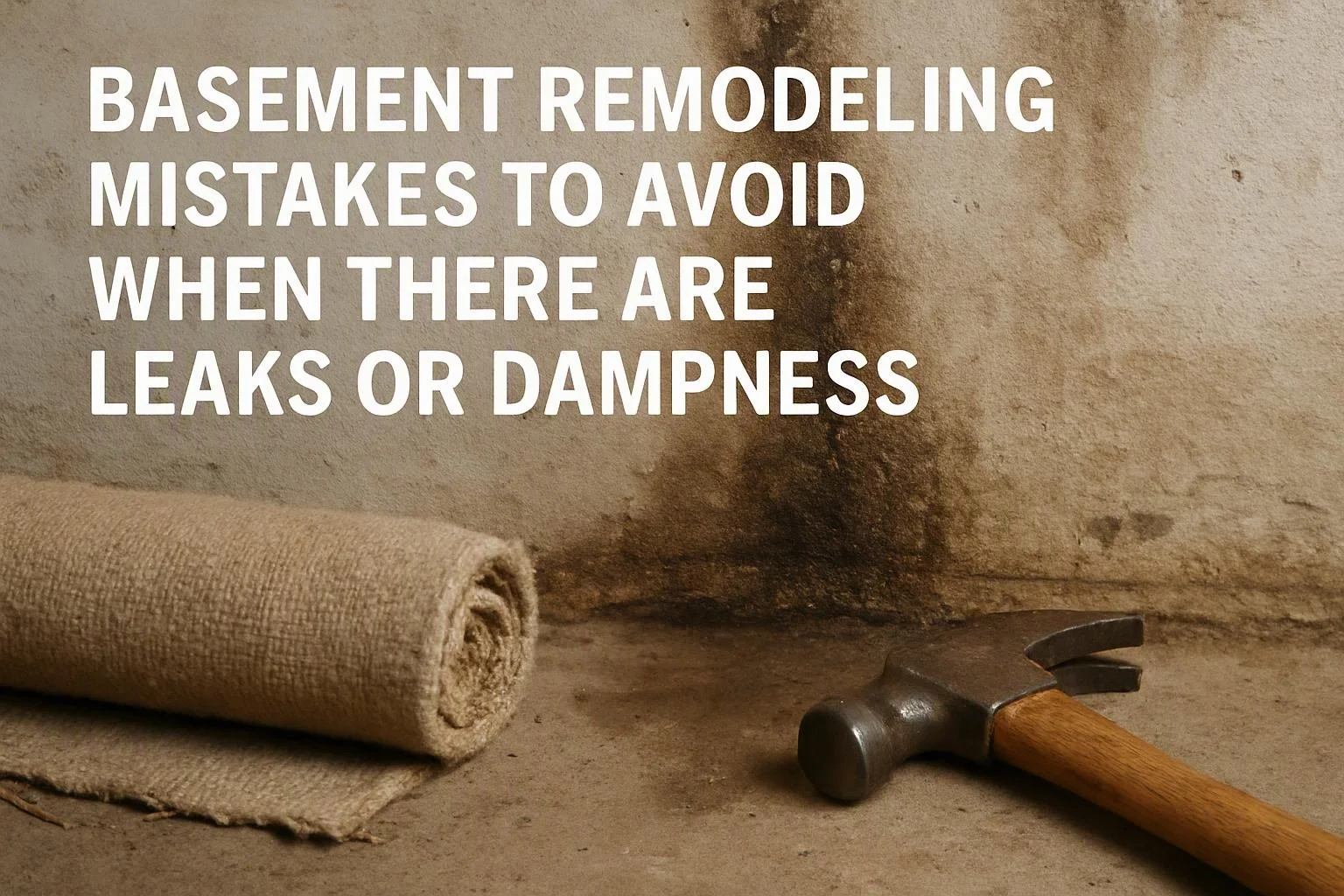
Why Moisture Must Be Resolved Before Basement Remodeling
Basement remodeling should begin only after the moisture source is identified and controlled. Covering damp surfaces can trap water and damage new finishes.
Basement leaks may come from the foundation wall, plumbing, drainage, or moisture vapor. We trace the water path before planning drywall installation, insulation, or basement flooring.
Water damage can weaken materials and create hidden problems inside a wall cavity. Our team removes affected materials, confirms the area is sound, and builds the remodeling plan around moisture control.
Use This Moisture Mistake Reference Before Finishing the Basement
This reference connects common moisture problems with warning signs, remodeling risks, and practical corrections. Use it before covering walls, installing flooring, or sealing a finished basement.
| Moisture problem | Warning sign | Remodeling risk | Corrective action | Basement finishes |
|---|---|---|---|---|
| Foundation leak | Water stains or active seepage | Hidden water damage | Trace and repair the entry point | Delay wall and trim work |
| Damp wall | Musty odor or soft drywall | Mold growth inside the wall cavity | Remove damaged material and dry the area | Use suitable wall materials |
| Wet basement slab | Condensation or lifting flooring | Adhesive failure and floor damage | Check slab moisture and drainage | Choose flooring for basement conditions |
| Blocked drainage | Sump or floor drain access is covered | Harder maintenance and future flooding | Preserve drainage paths and access panels | Plan the layout around service access |
Mistake 1: Covering a Leak Before Finding Its Source
A basement leak should be traced before any wall or ceiling is covered. Water may enter through a foundation wall, a plumbing leak, or another drainage path.
Covering the stain only hides the symptom and can expand the repair scope. We use leak tracing to identify water entry, then explain how the source affects remodeling cost drivers.
Mistake 2: Finishing Damp Walls With Drywall
Damp walls can damage drywall installation and support mold growth inside the wall cavity. Moisture damage may continue even after the surface looks dry.
We inspect the wall, remove unsound drywall, and address the moisture source before drywall repair or replacement. Our crew selects a wall assembly that supports ventilation and long-term moisture control.
Mistake 3: Ignoring Foundation Cracks and Water Stains
Foundation cracks and water stains can signal water intrusion or structural movement. A concrete wall may show a small surface mark while the surrounding area holds hidden moisture.
We review the crack pattern, stain location, and repair scope before finishing. If movement or structural concerns appear, we coordinate the needed evaluation before enclosing the area.
Mistake 4: Relying on Paint as Basement Waterproofing
Paint is not a complete basement waterproofing system. Hydrostatic pressure can push water through a concrete wall, while vapor movement can continue behind a coating.
We treat waterproof coating as one possible part of a broader repair plan. Our team checks drainage, wall conditions, and water entry before selecting a coating or finish.
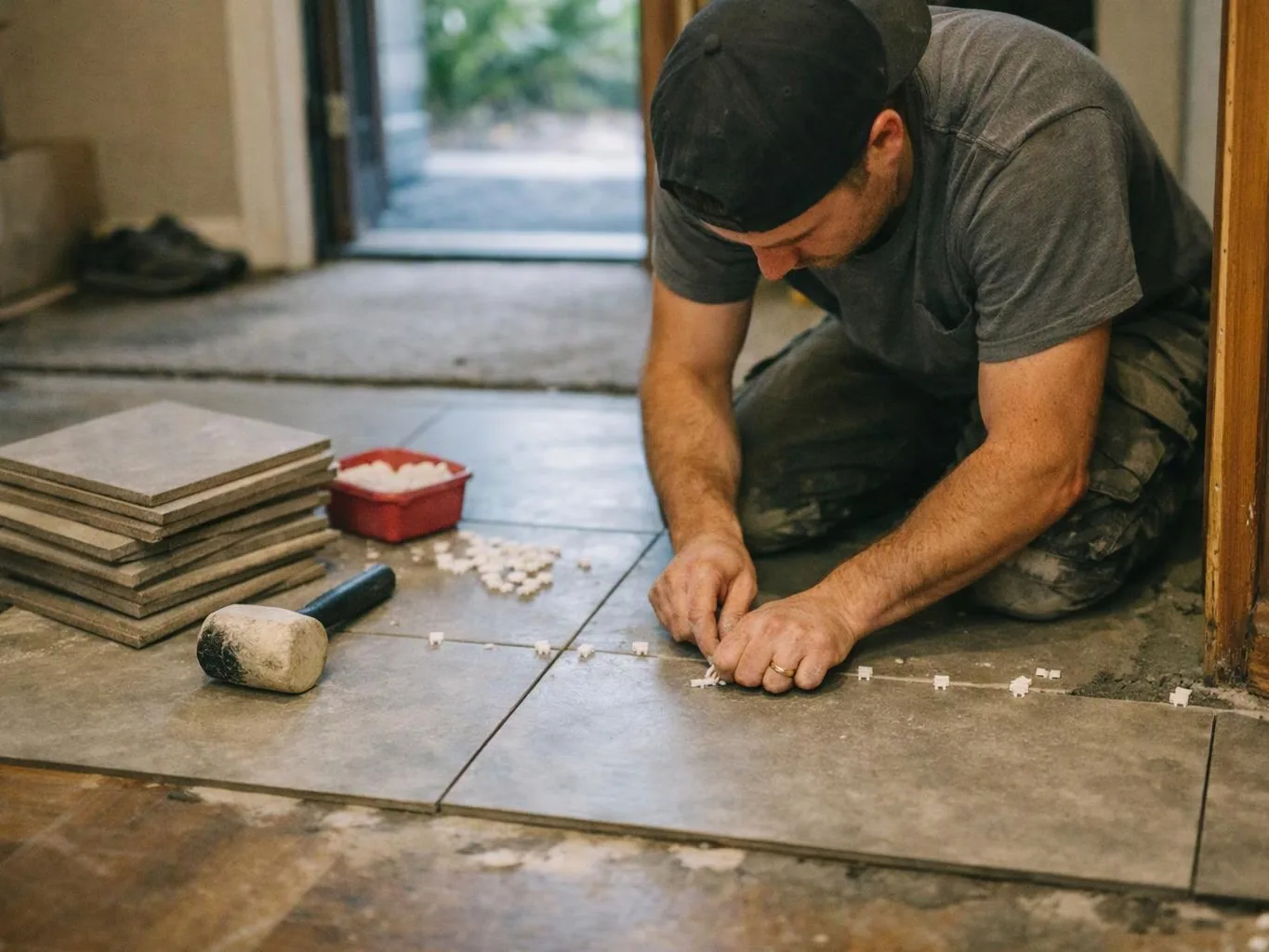
Mistake 5: Installing Flooring Over a Wet Basement Slab
A wet basement slab can release moisture vapor into flooring and subfloor materials. That moisture can cause adhesive failure, odors, swelling, or floor damage.
We check the slab condition and drainage before recommending basement flooring. Our material selection accounts for moisture exposure and the planned basement layout.
Mistake 6: Blocking Drainage and Access During Remodeling
Interior drainage, a sump pump, and a floor drain need clear access after remodeling. Covering a cleanout or service point can make future maintenance difficult.
We keep drainage paths open and place access panels where utilities require them. Our crew plans the basement layout around water control and safe maintenance.
Mistake 7: Closing Walls Before Utilities and Insulation Are Checked
Framing, insulation, plumbing, and electrical wiring should be checked before drywall enclosure. A closed wall can hide a leak, damaged insulation, or an unsafe wiring condition.
We review utility placement and insulation before drywall installation. We also preserve inspection access where the work requires it and follow applicable code requirements.
Mistake 8: Using Materials That Cannot Handle Basement Moisture
Material selection affects how well a finished basement handles damp conditions. Trim, insulation, fasteners, drywall, and flooring all respond differently to moisture.
We choose moisture-resistant materials that fit the room and the repair scope. Our team also checks that the selected materials work with the framing and planned ventilation.
How We Check a Basement Before Remodeling
Our moisture inspection follows the water path before we create a remodeling plan. We review the foundation condition, existing finishes, utilities, and drainage together.
When to Call HomeRemodelSammamish.link About Basement Moisture
Basement remodeling needs a careful review when moisture may affect safety, structure, or finished materials. Contact us before doing work yourself in these situations.
What Changes the Cost of Moisture-Related Basement Remodeling?
Moisture-related basement remodeling costs change with the leak source, damage extent, required repairs, materials, and finished area. We review those conditions and explain what our quote includes.
Leak repair may require different work than drywall removal or drywall replacement. Waterproofing scope, material selection, drainage access, and the basement layout also affect the work involved.
We inspect the space before preparing a project quote. Our estimate connects the repair scope with the planned basement finishing, so you can see what work supports a durable result.
Plan a Dry, Durable Basement Remodel
A durable basement remodel starts with moisture control, not decorative finishes. HomeRemodelSammamish.link checks the source, repairs water damage, and prepares the space for safe drywall repair and drywall installation.
We can shape the finishing plan around drainage, insulation, access, flooring, and the condition of the foundation. Explore our Basement Remodeling service to plan the next stage of your project.
Share the basement conditions with our team, and we’ll explain the repair path and quote scope clearly.
Questions About Basement Remodeling With Moisture
Can you remodel a basement that has a history of leaks?
Yes, HomeRemodelSammamish.link can remodel a basement with past leaks after the moisture source is controlled. We inspect the foundation, drainage, damaged materials, and planned finishes before creating the remodeling scope.
Should basement drywall be removed after water damage?
Yes, damaged basement drywall should be assessed and removed when it cannot be safely restored. We check the wall cavity and moisture source before completing drywall repair or replacement.
What should be checked before finishing a damp basement?
A damp basement needs a moisture inspection, leak source review, foundation check, drainage review, and material assessment before finishing. We also inspect framing, insulation, utilities, the basement slab, and planned access points.
Can basement paint stop water from coming through concrete?
No, basement paint alone cannot reliably stop water caused by hydrostatic pressure or ongoing water intrusion. We check drainage and the concrete wall before selecting waterproofing materials.
How do you protect basement drywall from future moisture?
Basement drywall protection starts with controlling water entry and choosing moisture-resistant materials. We plan the wall assembly, insulation, ventilation, drainage access, and drywall installation around the basement conditions.
What basement moisture signs should homeowners not ignore?
Homeowners should not ignore an active leak, damp walls, water stains, soft drywall, condensation, a mold-like odor, or recurring floor moisture. We inspect these signs before basement remodeling work begins.
Related Resources
Garage and Attic Conversion: Quote Factors and Contractor Questions
What Goes With ItHome Addition or Space Conversion: How to Compare Your Options
What It CostsHome Addition Cost Factors and Contractor Quote Preparation
How Long It TakesWhole-Home Remodeling: Project Phases, Scheduling, and Hiring